Pages

Showing posts with label potty training girls. Show all posts

Advice Toilet Training at Night

Thursday, April 24, 2014

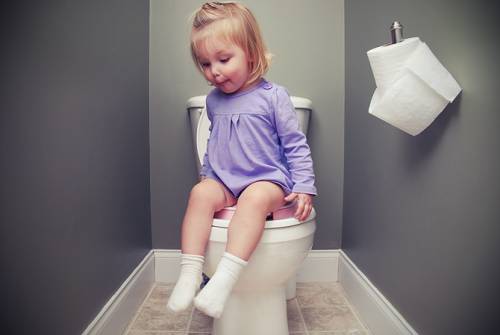
potty training girls age 2 years
When my first daughter showed signs of potty readiness at age two, I was more than ready to help her ditch the diapers. Before long, she was proudly sporting Elmo underwear and staying dry all day long. I was ecstatic. As a potty-training novice, I was certain that it would be a matter of weeks before she was dry at night, too.

Of course, the real scenario wasn’t nearly as neat and tidy. Although daytime training was quick and easy, nighttime dryness proved elusive. Months passed, and she pottied like a pro during the day but clung fiercely to diapers at night. After two long years (and many unsuccessful attempts) she finally started waking up dry, and we packed away the diapers for good.

In retrospect, it was no big deal: it’s highly common for a 4-year-old to wear a diaper to bed. Eventually, most kids achieve nighttime dryness without intervention. But I could have avoided some anxiety if I’d known all of that from the start.

Our situation was far from unusual; experts say that many parents need to adjust their expectations about nighttime dryness. According to Tai Lockspeiser, M.D., assistant professor of pediatrics, nighttime bladder control is a maturational process that can lag behind daytime bladder control by months or years. Twenty percent of kids still have nighttime accidents at 5 years of age, and doctors don’t define bedwetting until children are 6 years old.

So it’s completely normal, even expected, for kids to take their time with nighttime potty training. But the delay leaves many parents like me stuck in a waiting game, wondering when daytime potty learning will carry over into nighttime dryness. While parents can’t speed up the developmental process, they can help encourage dry nights with these simple steps.

Age Matters

Start with realistic expectations. While 88 percent of kids develop nighttime bladder control by age 6, the timeline varies widely. Boys typically train more slowly than girls, says Lockspeiser. Kids who are exceptionally deep sleepers and those with developmental delays may have more difficulty with wetting as well, she says.

Potty Practice

The best way to encourage nighttime dryness is to practice good daytime habits, notes Steve Hodges, M.D., a pediatric urologist. Children should use the toilet as soon as they feel the urge—holding can strain the bladder and worsen nighttime wetting, he says. And using the toilet before bedtime is a must.

Encourage Digestive Health

“Constipation is probably the most underappreciated cause of bedwetting,” says Hodges. “It plays a role in 30 percent of the cases I see.”

A full GI tract puts pressure on the bladder, making nighttime accidents more likely.

Cut Caffeine

Limit fluids two hours before bedtime, particularly caffeine-containing beverages. “Caffeine is a diuretic, so it promotes urination. Drinking it before bedtime will make it harder for kids to stay dry at night,” says Lockspeiser.

Ensure Nighttime Toilet Access

Ensure that kids have access to the toilet at night. Nightlights in hallways and bathrooms can help kids find their way easily. If the trek to the toilet is too far or involves stairs that tots can’t navigate on their own, parents can place one of the small portable toilets commonly used for potty-training in their room at night.

Skills vs. Pills

Doctors may recommend treatment options for persistent wetting that doesn’t resolve by age six. Bedwetting alarms, called enuresis alarms, help children learn to stay dry by waking them at the first sign of wetness. Medicines like desmopressin can help prevent accidents by slowing nighttime urine production.

While pharmaceutical treatment can be useful for special situations—sleepovers or vacations, for example—it doesn’t help to correct a bedwetting habit, says Robert W. Collins, Ph.D., a psychologist who specializes in childhood toileting problems. He prefers alarms over pills: “Medications don’t enhance learning to give kids the skills to stay dry.”

Health Matters

See a doctor if a child who has been potty-trained and dry at night for months begins wetting at night. A urinary tract infection is a common culprit for sudden wetting. “We also consider stressors or social challenges, like a move, a new school or divorce,” says Lockspeiser.

Staying Clean: Encopresis

What about kids who soil at night? Encopresis is the term for soiling in inappropriate places after age 4. While nighttime soiling in preschoolers and school-age children is much rarer than bedwetting, it’s also more emotionally distressing for the family and socially isolating for the child, says Collins. His website, www.soilingsolutions.com, is a resource for parents dealing with encopresis. First, take a look at their daytime bowel habits.

“Chances are, a child who is soiling at night is holding during the day,” says Collins.

Dietary changes, increased fluid intake, and changes to the child’s daily routine can help encourage regular elimination during the day.

If improved daytime habits don’t resolve the problem, families can progress to more advanced encopresis treatment, which may include supplements, suppositories, and behavioral therapy to treat severe constipation and holding habits. The good news: these treatments have a high success rate and kids benefit from increased confidence and self-esteem as the condition improves.

The Right Attitude

Parents’ attitudes are highly important as kids develop nighttime control.

“Treat it as a problem-solving exercise—a family science experiment,” says Collins. Above all, make sure that children know that nighttime wetting or soiling is not their fault. Maintain a relaxed, supportive attitude, and you’ll pave the way for a future filled with clean, dry nights. or you can get efiesien to buy potty training by noon this good methods you can practice fast. click here for see

A few facts about potty training girls

Monday, April 21, 2014

Girls usually potty train sooner

Lucky for you, girls tend to potty train sooner than boys but if your little girl isn’t showing signs of readiness don’t feel pressured into rushing her. She’ll only grasp it when she’s ready but if you start too early, you’ll both have had a more traumatic time getting there.

Girls go to the toilet in pairs

Don’t drag your daughter to the loo with you every time but if the opportunity arises, let her see you having a wee or poo. It can be a bit awkward having your every move scrutinized but it really is the best way to help her get geared up for potty training. Little girls copy their mums in every aspect so give her a running commentary as you go through the er, motions. Be prepared for lots of questions including those about why Daddy stands up to wee.

Play mummies and daddies

If your little girl loves domestic role-play this is good news for potty training. Get her dolls or teddies and set up a little bathroom scene in her play area including a pretty new potty. Read stories to your daughter and her toys about potty training and then help her pretend to train her dolls on the potty. Let her decorate the potty with stickers or writing her name on it. When she is feeling more confident she may try sitting on it herself.

Choose the right outfit

You might think dresses and skirts would be the most convenient way to dress potty training girls but in fact they can be difficult to handle; you have to gather them up and hold them out the way. Skirts can dip in the potty at the back, causing a lot of confusion for a toddler who went to the potty right but still got wet. Avoid dungarees, tights and leggings which can be difficult to pull down. Loose trousers or shorts are best..

Wipe right to avoid urinary tract infection

One of the most important things to teach little girls is how to wipe properly after a poo. She needs to move the paper from front to back to avoid spreading bacteria from her bowel to her vagina or urethra. If she’s not ready to understand this yet, make sure you wipe for her when she’s done a bowel movement. Watch out for key symptoms of bladder infection: fever, the need to pee frequently, pain or bleeding when weeing or an increase in wetting accidents.

A mum’s view

Naomi, mum of Bryony (30 months), Felix (5) and George (7) says: “With two big brothers in the house the toilet seat is usually always up when Bryony goes to sit on it. I had to teach her to check that the seat is in the "down" position before she gets on. It was quite traumatic for her when she was first learning to find that she was sometimes falling in the loo.“

The expert view

In Toddler Taming, Dr Christopher Green says “When people think of children spraying urine during potty training, they think of boys but girls often have this problem too. It is usually because she is sitting on the potty with her pelvis tilted forward. Teach girls to sit up straight with their bottoms tucked underneath them and their knees together. Girls are also at the disadvantage of not being able to "see" when they’re weeing like boys can. Place a sheet of toilet paper at the bottom of the potty. If it is wet, it will be easier for girls to tell that they have gone.”

More Articles :

6 potty training equipment you need
Potty training age 2 years girls
Tips To Make Potty Training A Success
Potty Training Step By Step

6 potty training equipment you need

Thursday, November 21, 2013

Potty training your toddler is a big challenge! A great way to get started is to make sure you have all the right equipment on hand. Check out my demo potty training video of all the items you need to begin potty training and make the whole thing a bit easier. And see all my favorite essentials below.

My essential items for potty training :
  • Potty chair (BABYBJORN Potty Chair): This one is on the pricier side, but I had the best luck with it. I now have a few and my younger kids sit on them during bath-time!

  • Toilet seat adapter (BABYBJORN Toilet Trainer) – I like the shape of this Bjorn adapter and my kids found it comfortable from age 3 to 8 years old.

  • Toilet step stool (BABYBJORN Safe Step) — you can use any wood stool, or get this sturdy waterproof one for your bathroom.

  • Pull-Ups (Pampers Easy Ups Trainers for Girls) — These are my 3-year-old girl’s favorite Dora pull-ups! My boys loved Diego and Cars!

  • Potty books: “Big Girls Use the Potty!“ and “Big Boys Use the Potty!” are my favorites.

  • Big kid underwear! I love these Gerber 4-pack in girl and boy patterns). I like the quality of the cotton and they last! You can find snazzier patters, but these will last — trust me.

What are you favorite items when it comes to potty training? Comment below and share your potty training stories and tips with other moms!

Potty Training Step By Step

Sunday, October 13, 2013

Potty Train Toddler Steps 1 Readiness

potty train steps
Around the age of 22-24 months, a toddler will exhibit signs of readiness. Conscious pause in play to poop, whining to be changed when wet or poopy are some of these signs. Also, having the verbal ability to communicate the act (a simple "pee-pee and poo-poo will suffice) is important. Make an effort to determine how long the toddler stays dry on any given day. This means checking every hour for wetness. When the toddler can "hold it" for at least an hour, preferably two, he or she is ready for the next phase.

Potty Training Toddler Steps 2 - Doo As I Doo

It may sound strange, but kids learn from example! About a week or two before starting the final phase, make a scene when you go potty. Don't worry, the child will not know you look foolish. Standing outside the bathroom door, grab the front of your pants and put an apprehensive look on your face, and say something along the lines of "oh, no! pee-pee!" and dash into the bathroom. I guarantee the toddler will follow out of sheer curiosity and to see what the heck your problem is. If you aren't comfortable doing the deed in front of the child, pretend. Perform that act once or twice a day. Within a week or two, you are ready to proceed.

Hint: If there are older, potty-trained children around, the toddler will almost likely want to know what on earth is going on in the bathroom, and often will pick up clues by watching them instead. Pick up a potty chair with the child. A simple potty chair is best. No fancy gadgets with bells, lights and sound effects. No toilet paper holder. No book rack. Just. A. Potty. Chair.

Potty Training Toddler Steps 3 - Seven Step Program, Part One

As in, seven days. Pick one week where you can give the child your completely undivided attention! In the days before the week commences, take the child shopping, and pick out "big boy" or "big girl" underwear. These should be the 100% cloth training pants that are basically underwear, with an extra thick padding in the middle. Not pull-ups, not plastic-lining-on-the-outside underwear. If the kid feels like he or she is wearing a diaper, guess what? They will treat it like a diaper. At bedtime the night before the week-long training begins, remind the child that tomorrow he or she will be a big kid and will wear undies! YAY!

Potty training toddler steps 4 - The Hard Part

When the child wakes in the morning, make a big deal about how they are such a big kid! Remove the diaper, clean as usual, and then put the new training pants on the child. And that is all the child should have from the waist down! This gives the kids a chance to feel when they have wet or pooped. (I have done this method in EVERY season, they never freeze to death, I promise)
Throughout the day, offer the child dry snacks (to increase thirst just a little) and follow up with plenty of drinks, milk, juices, water, whatever the child will drink. This helps the child actually feel the bladder fill, and eventually correlate the act of drinking and peeing. Every hour, take the child to the potty chair, help them pull the underwear down, and help them sit. Encourage them to pee, using extremely simple language. "Time for pee-pee"! etc, using facial expressions of effort (yes, the grunt face). Wait a few minutes. It won't happen immediately, and most likely, it won't happen at all in the potty the first two days. After about five minutes, consider it a good effort no matter what happens. Offer praise (good try!).

The first two days, the child will wet themselves every single time. It's just how it is. You aren't doing anything wrong. It has to "click" for the kid. You will be very frustrated, but persevere. Backtracking to diapers during the day is confusing. When an accident happens, feel free to look disappointed. Phrases I have used: "aw man! an accident!" and even "ew, stinky poo!" It's not making a child "feel ashamed of bodily functions". It's making the child aware that big people don't walk around pooping and peeing on ourselves and sitting in it.

At nap time, place a folded old towel under the child, or have some other absorbent but unobtrusive padding under the lower half of the toddler.As soon as he or she wakes, excitedly take them to the potty if they are dry. If they are wet, it's ok to be disappointed and say "aw, you had an accident!" in a sad voice. They can "help" clean up, and when all is right again, say "good job!" and give great big hugs.

At night, continue the bedtime routine, but insert a potty chair trip just before the last bedtime diaper is put on.

Potty training steps 5 - Figuring It Out

The third and fourth days, continue the same steps as the first days, offering snacks, and fluids, but you will notice that the child will pee about 50% of the time in the potty and most likely will have a poop on the potty. Continue to watch clues! When you see the child grunting or pausing in play, especially if he or she is fairly regular like most kids are, say "poo-poo?!?!" and hold their hand, and dash to the potty. Even if they don't make it, they form the opinion that this poo-making business is serious, and therefore must be paid attention to. When they have a poo-accident, make sure they watch you dump the poop into the toilet, have them wave bye-bye to it, and holding their hand for reassurance, flush it. Some kids get nervous with the flush. But most kids have seen/heard it plenty by now, just from following you into the bathroom oh so many times.

Potty training toddler steps 6 - Fine Tuning

The fifth, sixth and seventh days are the fine tuning days. The child now gets the concept, and is working to perfect this new skill. You can now return to the regularly scheduled snacks and drinks. Do continue to ask the child every hour if the potty is needed, just as a reminder, especially when the child is concentrating hard at building a tower or some other fun task. On the seventh day, take the brave step of a trip outside the house. Pack a change of bottoms. Pee before you leave, if possible. Ask every hour if the potty is needed. And don't take more than an hour and a half before going back home. This is almost like a test. The child sees that "Wow! People leave the house like this?!" As for giving up the night-time diaper, wait until the child goes for at least 2 weeks without a single night-time accident before you let them sleep in their undies. Don't forget to do the happy dance when there is success in the potty, no matter how minute. The child will make a grand effort just to see you do that again. Good luck, and happy trails

Simple Approach To Potty Training

Saturday, October 5, 2013

toilet training girls age 2
The first approach in child toilet training will give you a lesson that you can take advantage. potty training girls and boys have different success ratios increase. but on the success of your first child readiness in recognizing the toilet and throw diapers that is one best ways.

Since this post is about potty training, I am forced to use the words poop and pee to differentiate between the kinds of body waste. So consider yourself warned before you continue reading this post.

My youngest turned two last month. She has been completely diaper free (nights, naps and travel included) for over six months. She was completely potty trained by the time she was a year old. It often surprises people when I say this , or when they watched my one and a half year old drop her pants and run towards the potty when she had to go.

Everyone is curious to learn about how I trained my kids, so here it is my approach to potty training, some simple beliefs, and how I think you can potty train your young child too.

My approach to potty training girls or boys

Just like with anything else I do in my life, I set out with a goal and I work towards it. I practice consistency and persistence. I forgive myself when I fail. And I will give up if I think something is taking over my life in ways I never imagined.

That was my approach with potty training both of my children. I started training them between nine and twelve weeks of age. I took breaks several times, but I never gave up because I worked on it in stages. But it worked both my kids went to the potty first thing every morning, and I have rarely changed a poopy diaper beyond 12 to 15 weeks of age.

My beliefs, and some facts to consider

1. If infants can signal hunger, they can understand and signal wanting to go potty.

Kids cry when they are hungry. We watch for the signals of hunger and train them to ask for food as they grow up. I strongly believe it is the same with potty training. When the child is too young to go to the bathroom by himself or herself, we have to watch for the signals and take them to the bathroom. And in this process, patience is an important virtue.

2. Bodies have a rhythm.

We eat at regular intervals and we go to the bathroom at regular intervals. Bodies have and like rhythms. It’s important to watch and maintain these rhythms for little kids as well.
If you help cultivate these rhythms when they are little, they grow up into adults with healthier digestive system and habits.

3. Everything does not work for everybody.

It is important to take baby steps and improvise. As with everything, find what works for you and your family. Raising kids in not an easy job. If you start early, you will succeed, so long as you give yourself time to fail and learn. So start sooner than later and find what works for you.

4. Set the right expectations.

In my case, my kids rarely soiled their diapers beyond four months of age. They were both walking by the time they were ten months old and started to make trips to the bathroom by themselves. By 15 to 18 months, they were both completely potty trained.

But, as in every situation, there were exceptions and accidents. If you want all these things to happen, you should be okay with rushing your child to the potty when you see that little pressure cringe on his or her face, even if you are at a friend’s place. We still take the kids to the bathroom to empty off their bladder at 11 p.m. every night.

If your life or personality does not allow for these things, you have to give yourself more months to potty train your little ones.

Potty Training Girls Equipment Needed

Wednesday, October 2, 2013

potty training girls
No toilet training equipment for children that are specifically required, but may be some equipment that can help your child understand the toilet easier. potty training girls would be easier than potty training boys. potty training a girl does not need a substantial cost, but you really have to invest in order to achieve success.

You don't really need anything special for toilet training, but you may want to invest in some specialty items such as a toddler-sized potty seat, books, rewards and motivational items, or potty-training friendly clothes. This brief guide offers some recommendations for gear that can make the transition from diapers to big kid pants easier. Potty Train in Three Days Tips And Techniques

Potty Seat. There are a wide variety of options to meet your child's comfort and needs as well as your budget, including stand-alone chairs and toilet seat covers. If you do opt for a toilet seat cover, consider buying a stool as well so your toddler can sit comfortable without her feet dangling; it usually allows toddler to feel more comfortable which will help them be more successfull.
  • Disposable or cloth underpants. Choosing which type of underwear you want to train with is a personal decision, and you may want to experiment with one way before switching to something that works better for your child.

  • Clothes for Potty Training. Choosing easy-to-remove clothes helps with the toilet training process in two ways: it makes it easier for you to get your child on the potty quickly, and it allows you to give your child a chance to undress herself and then redress, which helps to build independence and confidence.

  • Potty Training Books.Potty training books help to teach toddlers the basic how, when, and why of using the potty, but they can also be a comfort while your child sits on the toilet. Having special books that he can read while he's using the potty can entice him to sit longer and try to finish. you can learn tips and methods about this Here .

  • Potty Training DVDs. These short animated shows (usually starring a beloved character) are most helpful and motivating when you watch them with your toddler so you can explain what’s going on and refer back to the scenes later on when you're together in the bathroom.

  • Flushable Wipes. A nice to have, but definitely not a necessity, flushable wipes can be an expense you don't need, but they can also help you manage the mess that accompanies potty training and make a child more comfortable during the transition out of diapers. They are sometimes especially helpful when your child is reluctant to use the toilet for a bowel movement.

Potty Training Girls Are Really Easier ?

Friday, September 20, 2013

potty training girls
Many of us decide whether we want a little girl or a little boy very early on. Maybe you want to have a baby boy so that he’ll someday grow into your strong, caring son, or maybe you want a little girl so that you can fill her closets with adorable dresses and bright clothes. We all know that we’ll love our baby no matter what, but having a gender preference is natural. In fact, many people also agree that girls are much easier to potty train than boys, which is another reason they might be preferred by the nervous, first-time parent. Believe it or not, there is actually no research that supports this claim.

Studies show that the ability for a child to learn how to use the toilet has nothing to do with his or her gender. Instead, the ability is based on their general level of incontinence and ability to learn overall. People probably assume girls are easier to teach because they don’t have to add the step of standing up to the process, so the training is over sooner.

It’s also important to note that the signs that a girl is ready to learn how to use the potty are the same as those for a boy. You should only start potty training your toddler when he or she is able to “hold it” for a few hours at a time. This ability shows that there is some control. Additionally, your child should be able to understand and follow instructions and have the mobility to get off and on the toilet independently. When all of these things align, it’s time to teach your child the proper way to use the bathroom depending on his or her gender, and the process for boys and girls is actually very similar.

If you think it might be time to potty train your child, get ready for a difficult but rewarding process. Some children learn faster than others, so don’t give in to the pressure to be discouraged by the parents of your child’s peers. Even if it seems like your boy or girl will never learn, there will eventually be a breakthrough day when you feel confident that potty independence is just around the corner. Once your child can use the restroom independently, you’ll be forced with one of many signs to come that your baby is growing up. To really get the right start potty training you can try several accurate techniques based expert toilet training children for 3 days or less, the toilet training really guarantee success in practice and material. you really will find smart ideas in dealing with your child in potty training for 3 days or less. Do not ever be afraid to start, this is one quick way that you can take to resolve your child's toilet training solution. This quick and easy for 3 days or less.

Simple 5 Tips Potty Training Girls

Tuesday, September 17, 2013

potty training girls
Potty training girls to be one of the tricky things that make you stressed, some parents had to give up on the attitude of the girl child or a boy.

The possibility of successful toilet training children quickly in 3 days or less you can learn with toilet training experts carol cline. in his toilet training children for 3 days or less.

Potty training is always a messy job. Accidents happen, meltdowns occur, and it can be a frustrating and trying time for both parents and kids.

But there is a light at the end of tunnel, mamas, trust me.

I’ve searched relentlessly for tips and tricks on potty training when I was going through it with my son and these are the ones that not only worked for us, but that other parents from around the web have used and been successful with.

Bribery Works,,If It’s Done Right

Here’s the trick with bribery, mamas.

First, it has to be something that your kids like – not what you like. For instance, if your child’s favorite candy is m&ms, then that’s the bribe. You may prefer them to be bribed with carrot sticks, but those are boring to our little ones. So make the bribe something they can’t resist.

Second, the bribe candy has to be where they can see it, hear it, and know that, without a doubt, they’re going to receive it if they do their business in the potty.

Some moms have kept the candy in a clear jar that they keep right next to the potty, others have placed the candy in a piggy bank and let the kids shake it, some moms have even given out the bribe when their child did a good job realizing they had to go.

Because, remember, understanding the feeling of having to go is just as important as getting the action of going itself down pat.

And lastly, don’t be stingy with the bribe candy. Hand it out freely once your child has done the deed correctly. Once my son got his urges, actions, and hand washing all down I saw nothing wrong with giving him a full candy bar that he got to eat at various times throughout the day.

Rewards work wonders if they’re given at the right time.

Stretching The Truth Goes A Long Way

It’s not that we’re telling you to lie to your children, but taking the truth and stretching it as far as you can may just come in handy.

For example, think of an elaborate story to tell your children as to where their toilet happenings go.

It could be food for the fish, a magical land where it helps nourish the fairies, maybe it even travels all the way to Hogwarts to help Harry defeat Voldemort.

Whatever it is that your kids revel in (trucks, trains, Barbies, etc), use your imagination and theirs to help get their potty trips to that faraway land to save the day.

Consistency Is Key

When you’re first starting out with the potty training, sticking to time intervals is the way to go.

Pick a time frame, say, every twenty minutes, and stick your little one on the potty even they say they don’t have to go. At least tell them to try.

Once they understand that the potty is where their business goes, you can very gradually increase the time frame for when you place them on again.

Don’t Forget About Dad

Sometimes, dads can work their magic to get your little ones to do things that mom can’t.

Use this power of dad to your advantage — and this will be especially helpful if you’re training a boy since dad has what he has.

This was the case in my house during our potty training venture. I could tell and ask my son to use the bathroom until I wanted to pull my hair out, when his father told him to try and go, he went in effortlessly.

Maybe he wanted to be a big boy for dad, maybe he wanted to show off to dad that he could do it, or maybe he simply felt a tad more comfortable seeing how the boys did it rather than the girls.

Regardless of what the reason, and I didn’t care what it was so long as we moved along in this potty training thing, my son went much more easily on the potty when his father wanted him to do it.

The Naked Truth

Sometimes, you just have to strip the kids and let them be naked to feel how being soiled really feels.

I know many families who have had success potty training this way.

Of course, this works better if you can do most of the ‘training’ outside, but if you can’t then there’s always the option of covering your furniture in plastic for the weekend while the kids are getting the hang of having to go.

Feeling bowel movements actually trickle down your leg isn’t a pleasant experience for anyone, be it adult or child. And your kids will catch on to this rather quickly and actually prefer to do their business in the potty for obvious reasons.

I have read parents’ accounts of having finished training their kids in one weekend by letting them run around naked for the two days and I’ve heard from the other side of the spectrum where the naked thing just didn’t work in their house.

And that’s okay, what works for one won’t necessarily work for others.
  • Always remember that potty training takes time, regardless if you’re dealing with a boy or a girl. Our kids have to understand the need to go as well as the action of going.

  • It will all come in time and soon diapers will be a thing of the past for your family. Remember that we’ve all been through it and you’re not alone. The potty training will happen and your child will get the hang of it, just hang in there.

Potty training girls and boys tips

Friday, August 30, 2013

potty training girls
How to potty training a girl and how to potty training a boy. be one thing to make your mother like headache and stress. but reading the potty training tips will give you the help you solve the problem. read on potty training girls and potty training boys.

It may seem impossible right now, but your toddler will eventually do her business in the toilet instead of in her diaper. Sure, it takes some toddlers longer than others to master the potty, but they all eventually do really. The key (as with many toddler trials) is patience; it’s also wise to wait until your child is truly ready to get started and to take potty training setbacks in stride. Remember, if you keep potty learning low-key, it will go more smoothly for everyone involved.

Whether you’re training a boy or a girl, these tips apply :
  • Get equipped : You’ve got two choices: a separate, low-to-the-ground potty chair or an insert that fits on the big toilet seat to make it small enough for little bottoms (if you go this route, you’ll also need a step stool). If possible, check out both options together and see what your toddler prefers (buying both won’t break the bank, either). Also stock up on liquid soap (for washing little hands), cleansing wipes (the flushable kind for behinds, and the kind for floors and fixtures) small rewards (such as stickers or dollar-store trinkets), and pull-on, disposable training pants or thick, absorbent cloth undies.

  • Get naked : Not you — your toddler. If possible, allow your toddler to spend some time diaper-free, either in your backyard, or inside (in a space with easily cleaned floors!). When she must be dressed, keep her in easy on/off pants or skirts with elastic waistbands (there’s no time to fuss with buttons or zippers when she’s really gotta go!).

  • Get reading : Buy or borrow books and dvds about potty training to share with your toddler. Most are available in both boy and girl versions. What to Expect When You Go to the Potty is a good choice.

Potty Training Boys

Boys tend to have a tougher time with the toilet. For one thing, it’s probably Mommy, not Daddy, who’s doing most of the coaching, so there’s little opportunity to actually show him how it’s done. Plus, boys need to master both sitting and standing to do their business. These tips should help your son catch on, though a male role model is a definite plus.
  • Start with sitting : Have him sit down for both peeing and pooping at first. For now, it’s tough enough just getting to the potty in time without having to decide whether to sit or stand. Plus, since one bathroom visit might produce both, er, outputs, it’s easier if your son stays in one spot for the whole shebang. Once he’s really got the hang of things, he can stand “just like Daddy.”

  • Point in the right direction : Whether he’s standing or sitting, show your son how to aim (you might give your hubby a refresher course, too). He needs to point his penis down into the toilet to make sure the pee goes where it needs to go. If/when he stands to pee, you can do target practice by floating O-shaped cereal, bits of toilet paper, or drops of food coloring in the toilet bowl and challenging him to go for a bull’s-eye.

  • Teach ups and downs : Now’s the time to teach your son some basic potty etiquette. If he’s standing up to pee, show him how to raise the seat (all the way, so it won’t fall down on him midstream) and then lower it again when he’s finished. (Here’s another lesson that Daddy may need to brush up on!) And don’t forget to flush!

Potty Training Girls

With their seated-only style, it’s a little easier to train toddler girls. You can follow the general tips above, and don’t forget to lavish on the praise and positive reinforcement. The only girl-specific advice you need: Teach your daughter to wipe front to back to avoid spreading bacteria. If this is too tricky for now, you can have her pat dry instead.

But you have the best choice of toilet training, you can try a quick method of toilet training for 3 days or less by a special expert; toilet training children Lois Kleint. This guaranteed and proven to work effectively for three days or less. Potty Train in Three Days

Potty Training Girls - When To Start Potty Training ?

Wednesday, August 7, 2013

Night Time Toliet Training for Boys and Girls

potty training girls
The development of bladder control in childhood is one of the major milestones we undergo in human development. You truly are a “big” girl or boy when you are finally out of nappies and dry throughout the night. For many children though, this process takes time and it is not the same for everyone.

A child usually masters daytime toileting before they can keep their bed dry at night. Don’t be concerned if your toddler wets the bed, because most children under the age of five years still urinate in their sleep, and one in 10 younger primary school children do too.

Don’t assume that your child can keep their bed dry just because they can manage their toileting when they are awake. It might help to think of staying dry at night as completely separate to daytime toilet use.

Children gradually learn to recognise the sensation of a full bladder and begin to hold on until a toilet or potty is found. Most children have gained daytime control by the age of 3 years; night time control takes a little longer - girls often achieve this earlier than boys. It is quite normal for children as old as 4 years to be still wetting the bed – and accidents may occur from time to time for a number of years.

So when is the right time to start night potty training?

There really is no fixed time or date that can be applied. It is up to you the parent, guided by the child’s stage of development, and their willingness to participate in the process, to tackle the issue.

Guidelines for night time potty training are mentioned below :

If your children are between three and four years of age and have been dry during the day for a few months, you could find out whether they would like to come out of nappies at night. Many children provide clues by mentioning their wet nappies or wet beds for that matter, which gives you the opportunity to introduce the topic and can be a great way of making it something that they want to do, rather than something they have to do. Your child may already be at the stage where they attempt to go to the toilet during the night or call out for your help.

If they are interested, before bed put them in ordinary underwear or pyjamas, let them go to the toilet right before it is time for bed. Once they are in bed give clear instructions about going to the toilet, if they wake up and feel the need to wee. Leave a night light on (so they can feel safe and can see where they are going) and give plenty of goodnight hugs and kisses and encouragement. If the toilet is far away from the bedroom (i.e. down stairs or at the end of a long passageway) you may prefer to leave a potty beside the bed. Most important don’t forget to leave the bathroom light on! Let them know that it is also all right for them to come and wake you to take them to the toilet if they feel safer doing that and if they can hang on that long.

To begin with you might consider extra bedding protection, such as mattress protectors, Brolly Sheets and a washable duvet/doona protector. Give plenty of encouragement, even if the number of dry nights is few. The speed at which children achieve night time dryness does vary, often starting with one or two dry nights a week and building up slowly over a number of months.

However, if your child is wet every night for 2-3 weeks (or any period that causes laundry problems or other difficulties), try not to show your disappointment. Your child is perhaps not yet ready to become dry. You might at this stage wish to consider using absorbent night-time padded pants rather than reverting to nappies - and try again in 3-4 months’ time.

Night time toilet training observations :
  • If your child wakes up every morning with a wet nappy, they’re not ready. If you take them out of night time nappies, they will wet the bed.
  • Keep your child in night time nappies until most nappies are dry in the morning or until they are wet just before your child wakes. The nappy will be soaked and the urine warm.
  • Praise your child for small steps - such as going to the toilet without the need for prompting, drinking good levels of fluid during the day; telling you when they’ve wet - and of course for any dry nights.
  • Remember that it might take years for your child to reliably master night-time dryness.
  • If your child is becoming anxious or frustrated, forget about night-time toilet training for a while.
  • Try not to show your personal frustration during periods of bed wetting.
Some children take longer than others to master dry nights. In most instances we need to be patient and time will solve the problem. Most children grow out of bedwetting.

Approaches to avoid

Some approaches will only delay your attempts to help your child stay dry at night. Approaches to avoid include:
  • Don’t criticise, humiliate or belittle your child for being a ‘baby’. Night time bladder control is a process of maturation. All efforts, no matter how small, should be praised.

  • Don’t punish your child by making them stay in their wet sheets and pyjamas or getting them to wash the soiled bed linen. If your child is anxious, they are less likely to stay dry at night.

  • Don’t deprive your child of fluids in the evening. Make sure they drink plenty during the day so that they are not very thirsty in the evening.

  • Don’t talk about your child’s ‘problem’ to other people when the child is present, as this can make them feel ashamed and embarrassed.


Five years old and still not dry?

The vast majority of children who are not dry at night by the age of 5 years have nothing physically wrong with their urinary system. A small number may have a physical problem, such as an overactive bladder or a urine infection. If your child’s urine has a ‘fishy’ smell, if he or she has difficulty or pain in passing water, is constantly thirsty or is frequently wet during the day as well as the night, it is best to consult your GP.

Young children (5-7yr) may not yet have learnt to hold on or to recognize when they feel the full bladder sensation. They still need to develop bladder control.

Related Articles :
Potty Training Girls Practical Tips
Potty Training girls Quick Fact
Potty Training Girls in 3 Days Fast Video
Potty Training 11 Great Book
Best potty training books and videos

Potty Training Girls Practical Tips

Saturday, August 3, 2013

potty training girls
Does the very mention of potty training fill you with dread? Have you tried and failed to potty train your child, leaving you reluctant to try again? Carol Cline a expert specialist potty training for your toddler or girl has years of practice at helping kids come to grips with it all.

Potty training Girl practical tips from our expert

Getting started potty train

Make sure you’re ready starter : Don’t even try to potty train when you’re moving house, expecting a new baby or there’s some other stressful event in your lives. Wait until things settle down so you can both cope with the inevitable mistakes.

Make sure she’s ready strater potty training : If she’s starting to notice when his nappy is wet or dirty, or if she tells you when he’s about to do a wee or a poo, then she’s ready. The transition from nappies to pants will be much smoother if you react to her awareness, rather than let her age dictate. Some children potty train in days, others in weeks. It’s crucial that you remain calm throughout, even if it means slipping a pair of trainer pants on.

Go for it

Pick a couple of weeks when you’re staying close to home, and make sure you let everyone who looks after your child know your plans.

  • Introduce the potty well before training starts. Have the potty in the bathroom from birth so the potty has already become a familiar item, and let her sit on it with a nappy on before potty training starts.

  • Encourage your child to let her toys have a go on the potty. If she has a doll who wears a nappy, let your child teach the doll how to go to the toilet using the potty.

  • Let her pick out some knickers to buy and make a big deal of her becoming a big girl.

  • There are plenty of books out there to prime your child for the big day – check out our recommendations below.

  • In the beginning, ask your child about every 40 minutes if they need a wee, and remember to pack at least one change of clothes to get her into something dry right away.

  • Don’t make your child sit on the potty for more than a few moments; if your child wants to get up even after not doing a ‘wee’, allow this and praise her just for trying.

  • When the first ‘wee’ is done use lots of praise – ask around and most families had a potty dance or song to motivate their kids!

  • A reward or star chart could really help enforce this new routine. Products such as Start Potty Train in Three Days By Lois Kleint can really help as an added bonus - every child will love it, and it also gives that extra bit of encouragement for continuous potty use.


Related Articles :
Potty Training girls Quick Fact
Potty Training 11 Great Book
Potty Training Girls in 3 Days Fast Video
Potty Training Girls 14 Tips Before Start
Potty Training Girls Or Boy What's the Difference?

Potty Training 11 Great Book

Thursday, July 25, 2013

potty training girls book

I began potty training my first daughter when she was around 16 months old. And now at 24 months, we’re still potty training. It’s… Well, it’s a work in progress, a sometimes messy work in progress that is moving forward, albeit very slowly.

In my eight months of potty training, I’ve learned a lot of lessons. The first? Well, potty training is not the easiest thing in the world. I know. Duh!! The second? With patience, the right expectations, and preparing your child for the process of being potty trained, things can go a lot more smoothly.

So, on the latter, I prepared my daughter for potty training by reading to her. Reading books on potty training has helped us tremendously to overcome some of her fears and reservations about the potty.

If you are in the throes of potty training and have already “tried on” patience and adjusted your expectations, consider some of these great books to “nudge” your child along :
  • My Big Boy Potty By Joanna Cole. Sam doesn’t want to go to the potty until his dog shows him that the potty is A-OK!

  • Potty for Me! By Karen Katz. This lift-the-flap book tells the story of a little girl who at first doesn’t feel ready for the potty, but with some encouragement from her mom, decides to use the potty and has great success.

  • Potty (Leslie Patricelli board books) Featuring simple words and an adorably cute potty training toddler, this humorous book is great for younger toddlers just beginning to learn about the potty.

  • The Deluxe Potty Book and DVD Package for Girls: Hannah Edition By Alyssa Satin Capucilli. Available in editions for both girls and boys, this book is similar to A Potty for Me! It tells the story of a toddler who receives a potty chair as a gift and then must learn, through some trial and error, to pass from diapers to big girl/big boy pants.

  • Everyone Poops By Taro Gomi. This book explains to toddlers that because all living creatures eat, they must poop. This story is simple enough for younger toddlers but is filled with enough interesting humor to appease parents and older toddlers.

  • Where's the Poop? By Julie Markes. This lift-the-flap book has a similar premise as Everyone Poops—that is, that all living creatures poop, that it’s a natural process. But at the heart of this story is a question, “Where’s the Poop?” so the focus is on where animals poop versus where humans must poop, in the potty.

  • Best behavior diapers are not By Elizabeth Verdick. Featuring colorful graphics and simple text, this book explains everything your toddler and you, as parent, need to know about potty training from start to flush.

  • Pirate Potty By Samantha Berger. Yes, even pirates go potty. In the world of potty training books, this one’s a sure winner, telling a fun, humorous, and colorful story that introduces boy toddlers to the concept of potty training.

  • Princess Potty By Samantha Berger. This is the girl version of Pirate Potty. Like the one intended for boys, Princess Potty features the talk of true princesses to narrate your child’s potty training process, or words like “Farewell” to accompany poop down the toilet.

  • Even Firefighters Go to the Potty: A Potty Training Lift-the-Flap Story By Wendy Wax. Similar to Princess Potty and Pirate Potty, this book seeks to encourage toddlers to go potty by telling them of all the other cool people in the world who use the potty as well. Even Firefighters Go is filled with fun graphics and lots of humor.

  • Potty Train in Three Days By Lois Kleint. You can learn and find out simple method potty training girls and your boys with the expert. Lois Kleint is specialis expert on toilet train. follow her method is higly recommend.


Related Articles :
How To Potty Train A Girl Fast
Potty Training Girls Or Boy What's the Difference?
Potty Training Girls 14 Tips Before Start
Potty Training Girls in 3 Days Fast Video

Potty Training Girls - How to get the job done

Saturday, July 20, 2013

" Potty training is a major milestone. Get the facts on timing, technique and handling the inevitable accidents"

Potty training is a big step for kids and parents alike. The secret to success? Patience — perhaps more patience than you ever imagined.

Is it time?

Potty-training success hinges on physical and emotional readiness, not a specific age. Many kids show interest in potty training by age 2, but others might not be ready until age 2 1/2 or even older — and there's no rush. If you start potty training too early, it might take longer to train your child.

Is your child ready? Ask yourself these questions :
  • Does your child seem interested in the potty chair or toilet, or in wearing underwear?
  • Can your child understand and follow basic directions?
  • Does your child tell you through words, facial expressions or posture when he or she needs to go?
  • Does your child stay dry for periods of two hours or longer during the day?
  • Does your child complain about wet or dirty diapers?
  • Can your child pull down his or her pants and pull them up again?
  • Can your child sit on and rise from a potty chair?

If you answered mostly yes, your child might be ready for potty training. If you answered mostly no, you might want to wait awhile — especially if your child has recently faced or is about to face a major change, such as a move or the arrival of a new sibling. A toddler who opposes potty training today might be open to the idea in a few months.

There's no need to postpone potty training if your child has a chronic medical condition but is able to use the toilet normally. Be aware that the process might take longer, however.

Ready, set, go!

When you decide it's time to begin potty training, set your child up for success. Start by maintaining a sense of humor and a positive attitude — and recruiting all of your child's caregivers to do the same. Then follow these practical steps.

Pull out the equipment

Place a potty chair in the bathroom. You might want to try a model with a removable top that can be placed directly on the toilet when your child is ready. Encourage your child to sit on the potty chair — with or without a diaper. Make sure your child's feet rest firmly on the floor or a stool. Help your child understand how to talk about the bathroom using simple, correct terms. You might dump the contents of a dirty diaper into the potty chair to show its purpose, or let your child see family members using the toilet.

Schedule potty breaks

If your child is interested, have him or her sit on the potty chair or toilet without a diaper for a few minutes several times a day. For boys, it's often best to master urination sitting down, and then move to standing up after bowel training is complete. Read a potty-training book or give your child a special toy to use while sitting on the potty chair or toilet. Stay with your child when he or she is in the bathroom. Even if your child simply sits there, offer praise for trying — and remind your child that he or she can try again later.

Get there — fast!

When you notice signs that your child might need to use the toilet — such as squirming, squatting or holding the genital area — respond quickly. Help your child become familiar with these signals, stop what he or she is doing and head to the toilet. Praise your child for telling you when he or she has to go. Teach girls to wipe carefully from front to back to prevent bringing germs from the rectum to the vagina or bladder. When it's time to flush, let your child do the honors. Make sure your child washes his or her hands after using the toilet.

Consider incentives

Some kids respond to stickers or stars on a chart. For others, trips to the park or extra bedtime stories are effective. Experiment to find what works best for your child. Reinforce your child's effort with verbal praise, such as, "How exciting! You're learning to use the toilet just like big kids do!" Be positive even if a trip to the toilet isn't successful.

Ditch the diapers

After several weeks of successful potty breaks, your child might be ready to trade diapers for training pants or regular underwear. Celebrate this transition. Go on a special outing. Let your child select "big kid" underwear. Call close friends or loved ones and let your child spread the news. Once your child is wearing training pants or regular underwear, avoid overalls, belts, leotards or other items that could hinder quick undressing.

Sleep soundly

Most children master daytime bladder control first, often within about two to three months of consistent toilet training. Nap and nighttime training might take months — or years — longer. In the meantime, use disposable training pants or plastic mattress covers when your child sleeps.

Know when to call it quits

If your child resists using the potty chair or toilet or isn't getting the hang of it within a few weeks, take a break. Chances are he or she isn't ready yet. Try again in a few months.

Accidents will happen

You might breathe easier once your child figures out how to use the toilet, but expect occasional accidents and near misses. Here's help preventing — and handling — wet pants:
  • Offer reminders. Accidents often happen when kids are absorbed in activities that — for the moment — are more interesting than using the toilet. To fight this phenomenon, suggest regular bathroom trips, such as first thing in the morning, after each meal and snack, and before getting in the car or going to bed. Point out telltale signs of holding it, such as holding the genital area.
  • Stay calm. Kids don't have accidents to irritate their parents. If your child has an accident, don't add to the embarrassment by scolding or disciplining your child. You might say, "You forgot this time. Next time you'll get to the bathroom sooner."
  • Be prepared. If your child has frequent accidents, absorbent underwear might be best. Keep a change of underwear and clothing handy, especially at school or in child care.

When to seek help

Occasional accidents are harmless, but they can lead to teasing, embarrassment and alienation from peers. If your potty-trained child reverts or loses ground — especially at age 4 or older — or you're concerned about your child's accidents, contact his or her doctor. Sometimes wetting problems indicate an underlying physical condition, such as a urinary tract infection or an overactive bladder. Prompt treatment can help your child become accident-free.

Try The Potty Training For Girls In 3 Days Program

Try the program guide of experts is highly recommended. many programs are available in your city, but you also have to look at the quality of the program.

Potty training girls for 3 days you could be a small investment for your child's potty training success. Most importantly this program you can learn fast for 3 days or less. Check it here to find out the Potty Train in Three Days

Related Articles :
Potty Training Girls 14 Tips Before Start
Potty training girls Strategies
Potty Training Girls Success Tips
Potty Training Girls in 3 Days Fast Video

Potty training girls Strategies

Thursday, July 18, 2013

potty training girls strategies
Mom-Tested Potty Training Tips:

"We picked a weekend that we could stay home for and let him run around the house in just a t-shirt all day. After an accident or two, he realized exactly what needs to go in the potty, and how to get it there. Then we worked on underwear and telling us when he needed to go. This was about 3 weeks ago, and he's been accident-free for 2 weeks now." --eniese

"I sat my son on the potty, sat my fat, pregnant self down on the floor in front of it, and sat there with him -- he leaned on me, and we both hugged each other and cried -- until he realized that it wasn't going to hurt and nothing bad was going to happen if he peed." --cdato20

"He gets a DumDum sucker when he goes. I'll let him pick it out and hold it (it seems to encourage him to go). I guess that it was the magical thing that worked for him." --lovin3

"Remind her every half hour to an hour. She is too involved in her play to stop what she is doing just to use the bathroom. She may not even realize she needs to go until it is too late." --cay8099

"I've cut her off from drinking after 7. She goes to bed about 8:30 so we make sure to go potty right after brushing her teeth. Then when I go to bed between 9:30 and 10:00 I wake her up to go to the potty again. She's made it the last 2 nights in a row now with dry underwear!" -- paigemikeymom

"Put Cheerios in the toilet and try to have him 'sink' the Cheerios. This has helped because it makes them want to use the potty." --jbryant

"We placed 5 squares on a piece of paper. In each square, we wrote the name of a person. It was Grandma, Daddy, the babysitter, Other Grandma, and Mommy. When she went for a new person, we placed a sticker in the square for whatever person she went for. Her reward was a pair of roller skates." --lena241

"I had books or toy computer for them to play with (on the potty) at the beginning of potty training, to help them sit on the potty longer." --4smiles

"My daughter loves Elmo so we bought her a movie called Elmo's Potty Time. She loves it and it teaches them how to use the potty and why they need to use the potty. It really helped." --jbryant

"Cloth training pants and/or underwear help kids clue in a bit more because they feel the wet...then they realize what it feels like to go pee...then they realize what feeling precedes that...then they figure out how to control it." --MommaC

"He is still too short to reach the potty, so a friend told me to put him on backwards and that helped!" --Justin'sMommy_08

"I introduced the potty chair at 18 months and from there just kept putting him on it every night before bath time. The first time he actually went in the potty I made a HUGE deal out of it. (We called grandparents and close friends to let them know he was about to be a big boy!)" --drmccleary

"trying to toilet training method proved highly recommended child. This is your investment for the good of your child. I can assure you there is no single best advice I can prove it unless you follow the advice on toilet training experts really experts. one of them tried methods of toilet training in 3 days. This fast and proven. thus wasting your stress and headache today." Lois Kleint.

Check Potty Train in Three Days Program

Related Articles :
When to get started Potty training girls!
Potty Training Girls 10 Real Tips From Mom
Potty Training Girls in 3 Days Fast Video
Potty Training Girls Success Tips

When to get started Potty training girls!

Wednesday, July 17, 2013

potty training girls

Potty Training Girls

Potty training is a big step in your toddler’s amazing development. Girls tend to be potty trained about 3 months earlier than boys, so before you know it you’ll be saying bye-bye to those nappies and hello to proper pants! But don’t be in too much of a hurry. Making the move to grown up things like using the loo takes time and practice. And your little girl will let you know when she’s ready to make this major step.

When to get started Potty Training For Girls

She could be ready to perch on her potty at any time from 18 months to 4 years, but many mums start trying at around 2 or 3 years old. The secret with girls seems to be in the timing. So if she’s going through a foot stamping “no!” phase, let this pass before you get started. Choose a quiet time when you can start a relaxed routine. If she’s about to start nursery or has a new brother or sister to play with, she’ll be easily distracted!

What’s important is that she understands why she has to hold in a wee or poo until she gets to the potty. And that she has enough control over her body to do it. Sounds simple enough to us, but to your little girl it’s a big step.

Signs she could be ready
If your toddler shows any of these signs it could be time for toilet training :
  • Can control her bladder.
  • Knows when she is doing a wee or poo, and has her own name for both of these.
  • Hops from one foot to the other or holding her hands between her legs.
  • Is interested when mum or dad go to the loo.

How to get started Potty

Once you’ve established that the right time has come to start toilet training your little girl, you might initially find using a potty is easier than the loo - partly because you can take it with you wherever you go. Begin with a daily routine of taking her to use the potty when she wakes up; then after breakfast; before and after lunch, snack time and dinner time, and then again before bed. It might sound odd, but try to make toilet time fun with a favourite book or toy. If she’s not enjoying it and doesn’t want to stay, just try again later.

Mums’ top tips for success

Keep calm and carry on smiling! Accidents will happen. Taking the mishaps in your stride and giving her lots of praise when she uses the potty will encourage her to get it right the next time. Make things easier for her. A daily routine with set times for the toilet, and clothes she can pull down quickly can really help.

Don’t give up! Summer is a great time to start because she’ll be wearing less clothes. Consistency is also important, so once she’s out of nappies it’s best to keep it this way so that she doesn’t become confused.


Related Articles :
10 Tips Potty Training Girls From Real Mom
Potty Train Girls - Stubborn 4 Year Old
Potty Training Girls Succesfull Tips
Potty Training Girls Fast Video

Potty Training Girls 10 Real Tips From Mom

Tuesday, July 2, 2013

Potty Training Girls In 3 days
If you’re like most parents, potty training your toddler feels a lot like fighting an uphill battle. But sometimes, advice from another parent who’s been there can be encouraging enough to pull you through. Here’s are tips from 10 parents who tackled toilet training:

From Ccgr: "What works well for us is this: Instead of saying "sit on the potty before we go to the library," I say, "After you have gone to the potty, we'll go to the library." Then I relax and do something else to make it seem like I have all the time in the world to wait. I want to give her the message that she knows her body best and that she has a choice. She can either sit on potty now and go to library, or not sit on potty and find something to do at home while waiting for that potty urge. Of course, I always choose things she loves like going outside on the swing or going to the library. I hope this works for you!"

Cltaytay1977 says she’s got a surefire way to reach toilet-teaching success. "Let your kid go naked around the house for a period of time during the day. Have a small potty chair you can bring in the family room with him. Have him sit often, read, watch a video, or play on or near the potty. If you catch him watering on the floor, be quick and get him on that potty! Be sure to reward him for potty success -- we use two M&Ms. After he gets very good at this, then transition him to cotton training pants and a potty schedule that has him going every 2 hours. Also, take him to the potty; don't ask. Take him every 2 hours, after meals, naps and snacks until he initiates on his own."

Rcc199 shares her child’s success story, and the tricks that helped them get there: "I think letting my son be naked in the house has worked wonders for us. And we reward him for a job well done. Last night he was starting to poop when he was naked and he got kind of worried because he was not wearing the diaper. He put up a bit of a fight but the poop was on its way so he gave in. He was so excited and proud of himself for going on the big potty! To reward him, I lift him in the air and say "hip-hip-hooray, hip-hip-hooray, hip-hip-hooray! It’s a great potty day!" He loves that. Plus, I’ll give him candy now and then, or once just last week, I got him a little Matchbox car.

From smhikill: "What we did was make a potty chart and every time he goes potty in the toilet he gets a gold star. For a poop, he gets two stars. He thinks this is very cool. Then every five stars he gets a reward. After he gets 75 stars he gets an inflatable pool to play with in the back yard. Hopefully after this many stars he'll be close to done!"

Dahbrat2000 reminds us that all kids are ready at different times. "Just remember to be patient! Some older kids learn easily, but many kids lost interest in training at the very time parents are ready to pull their hair out from changing all of the diapers! It is a learning process for most that takes time and commitment."

Animalcrackers2 suggests making a game out of transitioning boys from sitting to standing. "Use cheerios in the toilet, and teach your child to just aim for the middle. This has worked for my son! I was in no hurry to have my son stand -- I thought it would be really messy -- but he insisted after about two months of training that he wanted to do it like Daddy. I'm happy to say I think he only missed his aim about once or twice in the last six months."

Learmarg offers her support and advice: "I just wanted to tell you that if you decide to use little potties, I found a great one on e-bay. Now my son has the same potty in each bathroom, which makes him so much more comfortable. Also, we have one of those little seats to put on the potty. It's soft and cushy with handles and he likes that. Maybe you're already using one. Definitely use the stool in front of the toilet. Best of luck, everyone. Don’t lose hope!"

"Scheduling works best," says cre8lovin. "You should take your child to the bathroom every hour and then after meals, snacks, and sleep. The obstacle a lot of parents face is that they get into the habit of asking their child. Instead you need tell them and take them. Initiating is often the last step in the process."

From pattymomoftwoboys: "When my son has to go, we’ve recently been getting him to yell "poop!" as loud as he can. While silly, this makes him aware that he needs to keep working on training himself, and he won’t be able to go in his diaper once the whole family’s made aware!"

Carol has found a trick that helps: "Practice at home with a portable seat to put on a big toilet. This way, your kid is comfortable on the seat, and the grown up potty seems less intimidating. Also, I would allow one or two trips to the potty, but not 5. If she seemed afraid, "practice pretend" at home. Or, if she just likes to check out strange potties, put a limit on the amount of trips. Our boys used to like to do this too, especially in a "grown up" restaurant where things tended to get a bit boring. That way, the kids take potty training seriously. When they’re taken, they’re expected to go!"

From Debby
I was too dizzy to think about my son actually defecating in place. I came to google for a solution but they just give you garbage. I was lucky to find a solution that can really help to train my children in the toilet. This fast and only 3 days to 5 days my kids actually get to go to the toilet alone. so what are you waiting for? This proved to me and help the mothers in this world. come and learn this method and apply. only 3 days. You can get rid of all the headaches that makes your child. Get Started Potty Train in Three Days

Related Articles :
Potty Train Girls - Stubborn 4 Year Old
Are boys and girls different to potty training?
Potty Training Girls in 3 Days Fast Video
Potty Training Girls Success Tips
http://pottytraininggirl.blogspot.com/2013/06/potty-training-girls-succesfull-tips.html

Potty Train Girls - Stubborn 4 Year Old

Potty Training Girls Diapper
You told yourself that she'd learn when she was ready, or that seeing all the other kids wearing "big girl" underwear would change your 4-year-old's stubborn refusal to toilet-train. It didn't, and your patience is wearing thin. Assuming your daughter has received a few months of instruction and is healthy, her behavior is the result of resisting toilet training, according to the Children's Physician Network and Dr. Barton Schmitt, author of 2004 article in the journal "Contemporary Pediatrics."

Step 1 potty Train

Ditch the diapers and pull-ups. Anything that's designed to absorb a lot of moisture and skip using the toilet won't make potty-training any more attractive to your 4-year-old. If she resists wearing fun character-inspired underwear, hide the diapers and claim the store ran out. As Schmitt explains, no preschooler likes having urine running down her legs, which also makes it a powerful incentive to toilet-train.

Step 2 Potty Train

Transfer responsibility. Asking, reminding and even discussing toilet training with your 4-year-old only strengthens the power struggle, according to HealthyChildren.org. Instead, explain that it's her responsibility to get her pee and poop in the toilet. Keep silent, even when her body language clearly indicates her need to use the toilet. She'll soon realize that using the toilet is preferable to wetting or soiling herself.

Step 3 Potty Train

Require clothing changes. Explain that your daughter cannot walk around in soiled clothing, and that she must wipe her genitals and legs with a toddler wipe and change her clothing if she has an accident. By 4 years of age, she should be able to do this herself for urine accidents, but might need help if she has a bowel movement in her pants. If she resists or refuses changing, Schmitt recommends grounding her in her bedroom until she agrees to change her clothes.

Step 4 Potty TRain

Reward success. When your daughter successfully uses the toilet, reward her behavior with a few small candies she wouldn't otherwise get or give her a sticker on a special chart. Let her earn major rewards with a certain number of reward stickers, like a special trip to someplace you wouldn't normally go. Keep the rewards specific to toilet training. In other words, if she already gets cookies or a trip to the playground three times a week, it's not likely to be an effective incentive.

Related Articles :
Are boys and girls different to potty training ?
Potty Training Girls - When is a child ready for potty training?
Potty Training Girls in 3 Days Fast Video
Potty Training Girls Succesfull Tips

Are boys and girls different to potty training?

Sunday, June 30, 2013

Potty training Girls
When it comes to potty training your toddler, does having a boy or a girl affect your approach? Health visitor Kate Daymond thinks there really is a gender divide.

Why is potty training different for boys and girls?

Boys tend to be ready for potty training at two-and-a-half to three years old, while girls are ready around age two. This is because:
  • The development of the nerves that control the muscles needed to hold on to a wee, or know when to do a poo, is directly related to a toddler's readiness for potty training. Boys' nerve connections appear to occur later than girls' do.
  • Boys have to get used to two methods of going to the loo: sitting and standing. Whereas girls just have to learn to sit.
  • Main carers of small children tend to be female, and this might help to make girls more open to the idea of potty training and using the loo. After all, they've got the perfect role models right there!
Is my toddler ready?

The most important thing is to wait until your toddler is really ready. The key signs to look out are:
  • showing an interest in the loo or potty
  • noticing when you're going to the loo
  • knowing when a wee or poo is on its way
  • having the words for wee and poo
  • having long periods with a dry nappy.

What equipment do I need?

Potties Two if possible, one for the sitting room and one for the bathroom, because a potty needs to be within easy reach!

Toddler-sized toilet seat adaptor Very handy once your little one is ready for the loo, especially for those who fear falling in (a common worry!).

Step stool Having somewhere secure to rest the feet is a confidence booster for tots.

Portable toddler loo seat (or portable potty) Useful away from home, but not essential.

Toddler toilet wipes Preferably flushable ones, as this can be a messy old business…

How can I motivate my toddler?

Girls may be happy to sit on the potty, but some boys find it hard to stay still. So to get your tot onside.
  • give loads of praise and attention, and don't get stressed or cross when the inevitable accidents happen
  • share stories or sing songs while your tot 'sits'
  • pop a sticker chart next to the loo to motivate your toddler. When the chart's full, give a little treat such as a trip to the swimming pool.


Tips for boys

- Most boys start by sitting down, but many like to copy Daddy and wee standing up after a bit. So show your toddler how to point his willy down to avoid spraying the room, whether he's sitting or standing.

- Pop a piece of loo roll, or even a single Shreddie, in the loo water for him to aim at. Add blue food dye to the toilet bowl – it'll turn green when he wees on it. Or add shampoo to the loo water to make bubbles!

Tips For Girls

- Girls are particularly prone to urinary infections, so they need to learn to wipe from front to back. This can be tricky at first, so teach your daughter to dab herself at the front only to start with.

- Avoid clingy tights that are difficult to get off in a hurry. Stick to trousers (with an elasticated waistband), dresses and skirts, plus socks, for ease.

Related Articles :

Potty Training Girls Time To Start
Potty Training Girls Success Tips
Potty Training Girls Age 3 Years
Potty Training Girls Succesfull Tips
 

About me

how to potty train a girlHi I margareth. cases of toilet training children is very stressful and makes me angry. My daughter is 3 years old and acting very naughty, pee on the couch, at the dinner table, in the living room, in the bedroom. This makes me really angry.

I came to google to solve my problem. I found the potty training program for 3 days faster than dr, Lois Kleint. The first I do not care! but after week I am keen to follow the method suggested. I try step by step for 3 days or less I managed to beat my child behavior.

Thanks dr.Lois. whoever you follow him and assured method will be successful toilet training your child for 3 days or less. Potty Train in Three Days

Recommend Potty Seat


This is one of the potty training seat for baby girls that fits best with a pleasant musical tones your child. Learn More